Context
The Colleague Experience function had grown into a complex internal organization with many systems, processes, artifacts, engagement methods, and partner relationships. That complexity affected intake, handoffs, project visibility, consistency, and how the team worked across the enterprise.
Role
I was the first and most senior Experience Strategist and participated on the leadership team. I drafted, proposed, and championed new operating practices, brought proven methods and artifacts from earlier work, mentored staff, and helped develop a shared voice for explaining the work.
A shared operating model connecting intake, governance, partner alignment, and delivery.
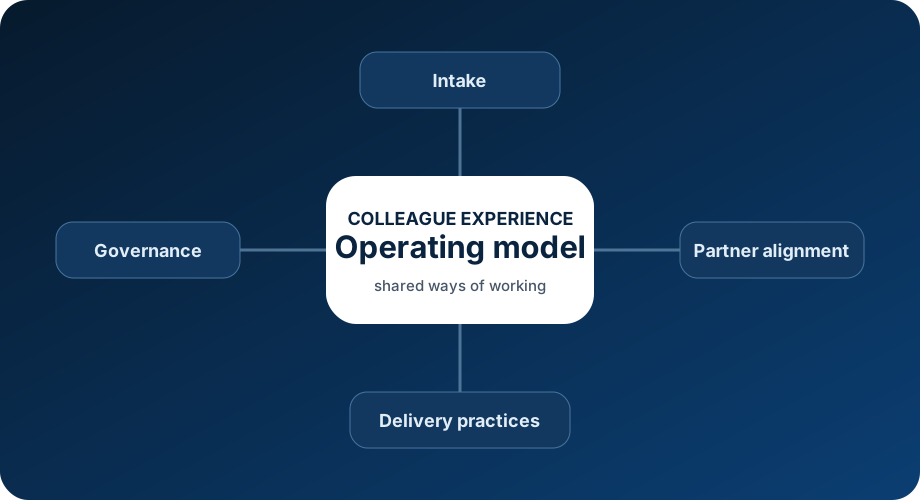
Operating model
- Introduced a structured project and initiative intake/onboarding framework.
- Standardized project tracking and repositories around Jira, Confluence, and Trello.
- Developed shared artifact templates tied to operating practices.
- Created and socialized common terminology.
- Clarified engagement expectations with partner teams.
Outcome
Intake became more informed, work became more visible, outputs became more consistent, and the function developed a more unified way of communicating with partner teams.
Its significance
The intervention changed how a function received work, organized itself, collaborated, and represented its value across the enterprise.